



Welcome back to the Understanding Your Hypertension Diagnosis 101 course.
Now that we learned some questions you must ask your provider after a recent hypertension diagnosis, let's learn what it means to have your hypertension "under control".
According to the Centers for Disease Control, nearly half of all adults in the United States have hypertension. Most of those people do not have their high blood pressure under control. While there is no known cure, the good news is that, when detected early, a variety of lifestyle adjustments, such as the seven most common listed below, can help you keep your high blood pressure diagnosis in check.
First, let's remember our numbers: A person is considered to have high blood pressure if their systolic blood pressure is more than 130 mm Hg and their diastolic is more than 80 mm Hg. Some providers may ask that you monitor your blood pressure at home, though regular visits to check readings with your PeopleOne Health or personal medical provider are highly recommended.
If you have elevated blood pressure (a reading above 120/80 mm Hg) or have been diagnosed with high blood pressure, your provider will likely recommend a variety of lifestyle adjustments to help you better control your blood pressure. Keep in mind that goals may be based on a variety of factors so be sure to talk openly with your provider to ensure you are getting the personalized recommendations that will best help your situation. "There is not one most important lifestyle change for the management of hypertension," PeopleOne Health provider Dr. Shirley McElhattan, M.D. explains. "Every patient is unique. For some, it might be weight loss; for others, it might be a stand-up desk at work. This is a discussion to have with your provider."
1. Lose weight:
Put simply, if you're overweight, losing weight will put less stress on your heart muscle. Even a small decrease in your weight can help lower blood pressure. Fat concentrated around the waistline, in particular, can be a warning sign of a myriad of health problems, including high blood pressure. And you won't find us talking about fad diets, two-a-day workout sessions, or cleanses here. Focus instead on sustainable weight loss which comes from being intentional with your diet and moving more. Experts recommend aiming to lose between .5 to 2 pounds per week and talking with your provider about what a healthy weight range looks like for your body.
2. Focus on a heart-healthy diet:
Before you run scared away from the "d" word, know that a healthy diet doesn't have to mean deprivation and frustration. While starting any new eating plan may feel like a struggle at first, when you fuel your body with the right nutrients and reduce nutrient-deficient foods, you'll notice higher energy levels, better sleep, improved productivity, and, ideally, lowered blood pressure. With results like that, why wouldn't you seek out the best nutrients for your body? A Registered Dietitian can help with specifics, but generally speaking, a heart-healthy diet should focus on whole grains, fruits, vegetables, and low-fat dairy products, while reducing overall sodium intake. To take the guesswork out, familiarize yourself with the DASH–Dietary Approaches to Stop Hypertension–diet, which was designed specifically to help treat hypertension. The DASH diet focuses on foods that are rich in potassium, calcium, and magnesium and, according to the Mayo Clinic, following the plan can help lower blood pressure in just two weeks.
3. Keep a blood pressure log:
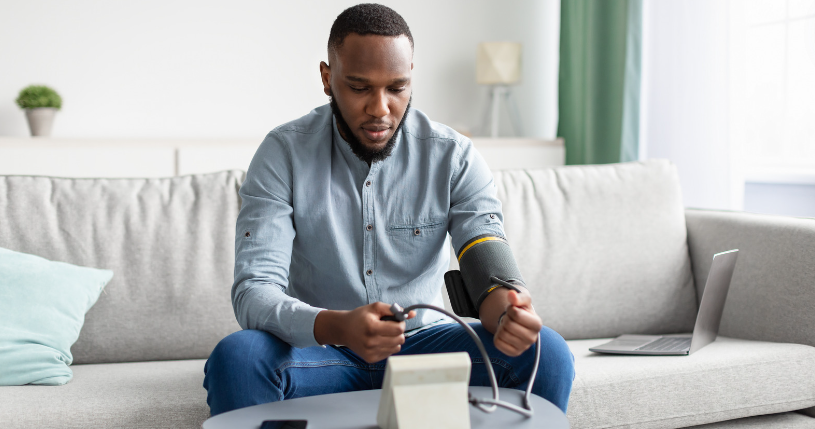
After diagnosis, your blood pressure numbers should be just as familiar to you as your phone number. Purchasing a blood pressure cuff and learning how to take your blood pressure at home is something you should plan on discussing with your medical provider. There are many different types of monitors available on the market, so do your research so do your research and bring your monitor to your next appointment with your health professional to ensure you are taking accurate measurements. Most experts recommend taking your blood pressure at least twice–once in the morning, once at night–and record the date, time, blood pressure readings, and any special circumstances that may have influenced your numbers. The Centers for Disease Control has a printable sheet that can be used as a log. Moving forward, you should plan on bringing your log along with you to every doctor's appointment. Your provider will use your log to get a better sense of how lifestyle changes and/or medications are influencing your readings, while also counseling you on any trends they notice.
4. Prioritize movement:
Adding more aerobic and resistance training to your routine can lower blood pressure by strengthening your heart. A stronger heart pumps with less effort, which, in turn, decreases pressure on your arteries. Before you book every high-intensity class in town, know that changing your exercise habits can be as simple as looking for more opportunities to add movement. This could be shoveling snow, pushing a stroller around the park, taking the stairs instead of the elevator, or anything that keeps your body in motion. A great starting point is investing in or creating a standing desk at work. When seeking out activity, start with 10 minutes of intentional movement a day and aim to work up to 30 minutes to reap the benefits. As you start to feel stronger, you may eventually find yourself craving more of a structured workout program!
5. Stop smoking:
If you're a regular smoker, there are a wide range of health benefits to quitting, and one of them may be helping with hypertension. While more studies are needed to detect a direct link between smoking and hypertension, we do know that smoking can increase the risk of plaque buildup inside the arteries. That fatty buildup–also known as atherosclerosis–is known to narrow the blood vessels and increase blood pressure. To keep blood vessels healthy, speak with your PeopleOne Health or personal medical provider to determine a quitting plan that will help you make this a permanent lifestyle change.
6. Reduce stress:
You've heard it before. People regularly talk or joke about how an overly stressful event "raised their blood pressure", but how much truth is there really to the connection between stress and high blood pressure? While more research is needed, simply being stressed out does not seem to directly cause high blood pressure. Yes, when a stressful event occurs–you're late on an important deadline at work, your kid just ran away from you in a crowded space, you're a nervous flyer–your blood pressure does rise. However, our bodies are good about regulating this and returning to normal as the moment passes and the stress subsides. That said, chronic stress can lead to habits that are more directly linked to high blood pressure, including lack of exercise, poor sleep, or eating unhealthy foods. As a first line of defense, try to incorporate some meditation or mindfulness practices in your life, practice gratitude, avoid overloading your plate, or reduce stressors, if possible. If your stress is something that feels unmanageable, consider talking to a mental health expert to discuss strategies that may work for you.
7. Take blood pressure medication:
Depending on your situation, you may be instructed to begin taking blood pressure medication by your provider. Know that blood pressure medications are not a fix-all; rather, the medications are meant to work in tandem with the lifestyle changes listed to help manage or lower your blood pressure to healthy levels. Blood pressure medications typically work in one of four ways: causing your body to get rid of excess water, relaxing the blood vessels, encouraging your heart to beat with less force, or blocking nerve activity that can restrict blood vessels. Because blood pressure medications work in different ways, you may be prescribed more than one. It is important to work with your PeopleOne Health or personal pharmacist to understand how and when to take each medication.
Come back to learn what your role is in managing your hypertension diagnosis.